Quantum System's raise $1.2B to become Europe's leading neo-prime

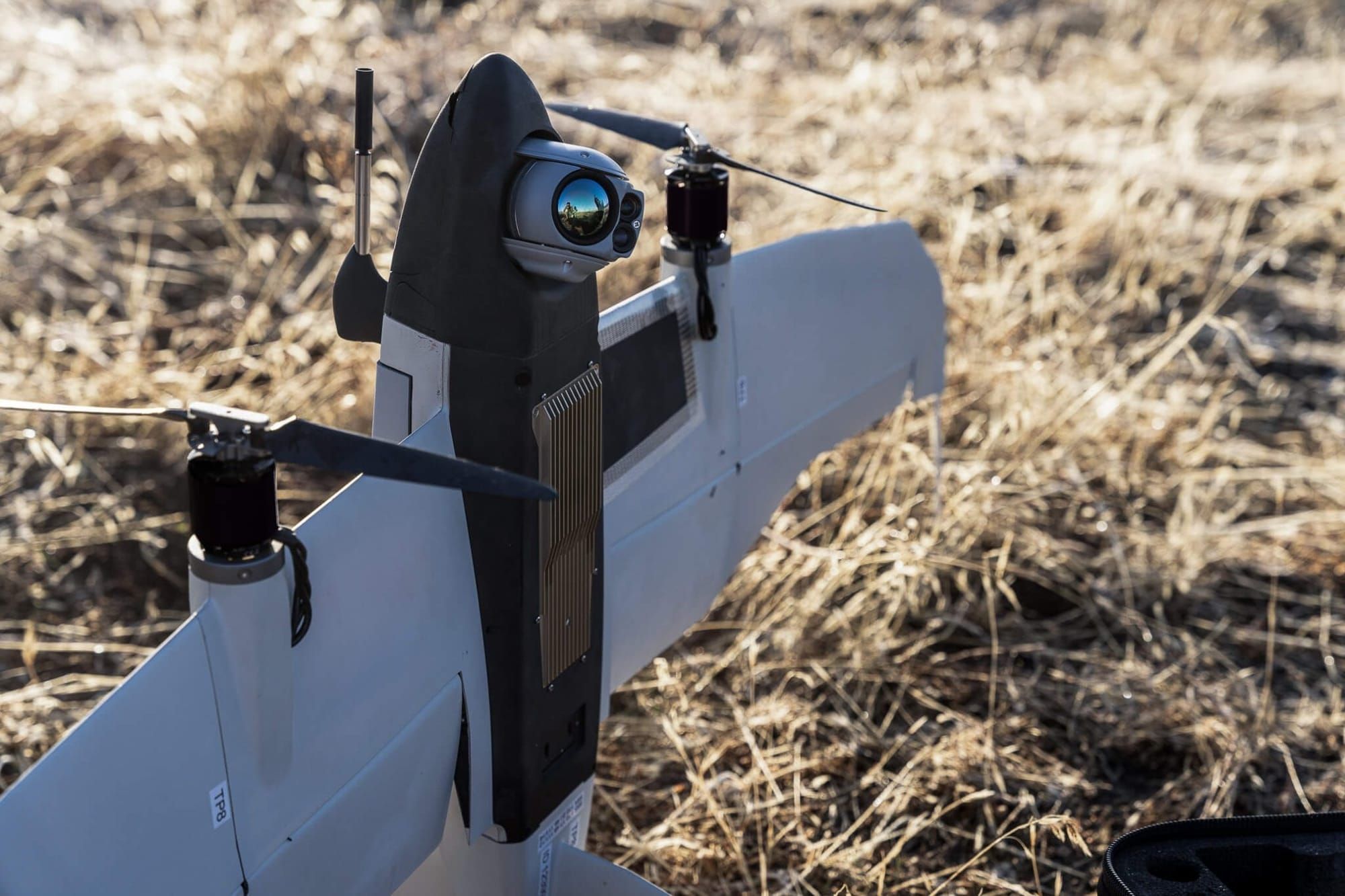
This week Quantum Systems announced a $1.2 billion Series D, valuing the company at around $8 billion. The round was co-led by Blackstone, Noteus, Airbus, Fidelity and others, with Balderton doubling-down into the company.
When we led their Series C just over a year ago, the case rested on two things: a once-in-a-generation shift in defence budgets towards unmanned, software-defined systems, and a team that had proven itself in the field rather than the brochure. Both have only accelerated since.
A decade of progress in a year
In 2025 alone, Quantum Systems' aircraft flew over 19,000 missions in Ukraine. Every one of those sorties feeds back into the software, and the gap between front-line feedback and a deployed update is shrinking to hours, not years as was the case in previous hardware eras. That loop remains the company's deepest moat.
The business behind these mission has matured just as quickly. Production now spans Germany, Ukraine, the US, Australia, Romania, the UK and the Baltics. The company reports triple-digit growth with double-digit profitability, a combination almost unheard of in defence technology, where growth has traditionally been bought with decades of losses or cost-plus contracts.
And the product is no longer a simple range of drones. With MOSAIC UXS, Quantum Systems is moving from individual drones to an interoperable family of unmanned systems across air, land and sea, connected through one software ecosystem. Alongside their investment, Airbus Defence and Space announced more strategic collaboration with the company.
What "neo-prime" actually means
The term gets used loosely, so it is worth being precise. A neo-prime is not just a defence startup with a big valuation. It is a company that owns the full stack, from airframe to autonomy software, that ships updates on a weekly cadence, and that funds its own development rather than waiting for a government programme of record. The traditional primes were built for an era of exquisite platforms procured over 20-year cycles. The war in Ukraine has shown that era is over.
Europe has spent 30 years consolidating its defence industry into a handful of national champions. What it needed was competition, speed and software. Quantum Systems, alongside a growing cohort of European defence technology companies raising at scale this year, suggests the continent is finally building it.
Fundraises are lagging indicators, as I've written before. The real milestones are missions flown, systems delivered and allies equipped. On those measures, the last twelve months speak for themselves. Huge congratulations to Florian, Sven and the team - here's to another decade of progress next year as well.