Sava and the future of continuous health monitoring

There are just two companies, Abbott and Dexcom, that dominate the $12 billion continuous glucose monitoring (CGM) market. Both rely on the same basic approach: a filament-based sensor, inserted 5-10mm into the skin using a hypodermic needle. It works, but it's invasive, expensive, and limited to measuring a single molecule. For the nearly 600 million adults living with diabetes globally — a figure projected to rise to 850 million by 2050 — the current generation of CGMs represents a remarkable but incomplete step forward. As a result, despite how important this health monitoring solution is, just 1% of people with diabetes use a CGM today, and this small group already spend almost $12 billion annually, growing at 10% year on year.
That's why its worth celebrating the Sava team's world-first clinical breakthrough for their microsensor technology, announced today. The company has just completed an independent clinical study across sites in Oxford and Cambridge, enrolling almost 50 participants with Type 1 and insulin-dependent Type 2 diabetes, demonstrating reliable glucose measurement over a 10-day wear period. In a head-to-head comparison with a leading commercial CGM, Sava's microsensor performed comparably, with a MARD difference of just ~0.8 percentage points. That's a remarkable result for a fundamentally new approach to sensing.
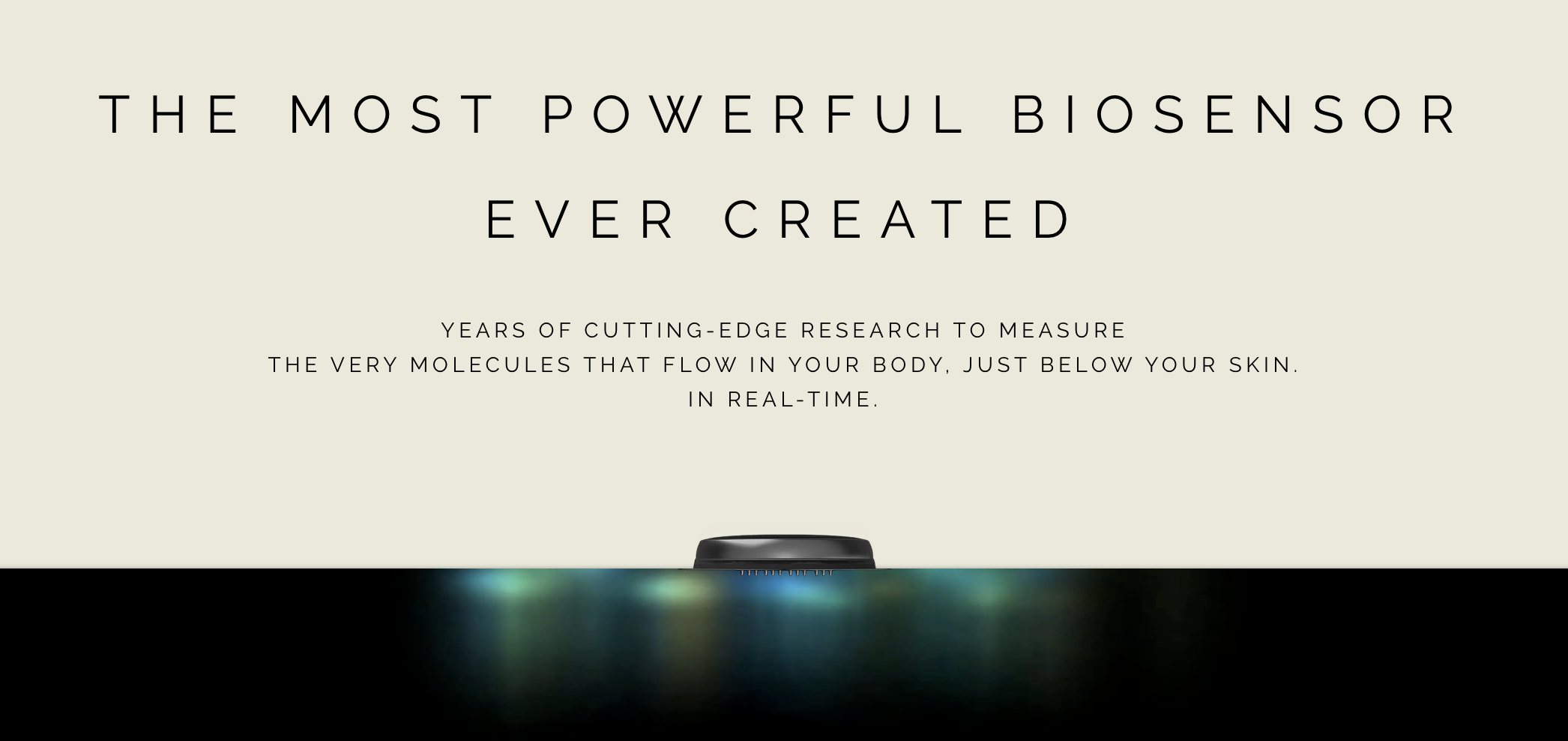
What makes Sava different is the hardware that enables a new, AI-driven health platform. Their proprietary microsensors are approximately 10 times shorter than conventional filaments, dramatically reducing tissue disruption while still accessing interstitial fluid. The result is a device that is smaller, painless to apply and, critically, cheaper to manufacture than the incumbent devices.
I road-tested a Sava CGM recently, and the experience was noticeably different from other devices I've used. Beyond the smaller form factor, what stood out was the breadth of what it can do. Unlike traditional CGMs that are single-purpose, Sava's platform can track sleep, movement and soon body temperature — much like a Whoop or Oura ring — alongside vital medical signals like blood glucose. The vision is a modular, multi-analyte sensing platform capable of detecting additional molecules over time, turning what has historically been a diabetes management tool into something closer to continuous molecular health monitoring.
This matters because the shift from reactive to preventative healthcare depends on exactly this kind of technology: affordable, minimally invasive, continuous monitoring that people actually want to wear. We've seen similar platform dynamics play out in other areas of health tech. At Balderton we invested in Kaia Health because we believed software could transform chronic pain management, turning a smartphone into a clinical-grade physiotherapy tool. The same principle applies here — the best health interventions are the ones that meet people where they are, in their daily lives, without requiring them to change their behaviour dramatically.
With over £20 million raised and a pivotal clinical study planned for later this year ahead of regulatory submissions, Sava is targeting commercial availability in early 2027. It's great to see a Britain-based team, headquartered in London, producing world-leading medical breakthroughs of this calibre. The convergence of miniaturisation, personalisation and continuous sensing is exactly the kind of trend that can meaningfully improve millions of lives, and Sava is at the front of it.
You can read the full clinical results here.